Should you claim on your insurance or pay for repairs yourself?
For small damage, paying yourself is often cheaper over a few years than claiming. Here is how to work it out, and the one thing you have to do either way.
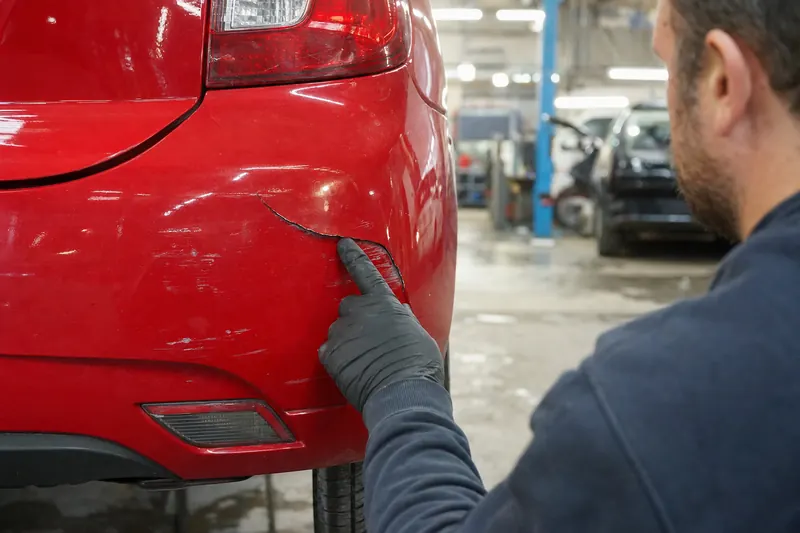
Pay for the repair yourself when it costs about the same as your excess or only a little more, and claim when the repair is well beyond what you could comfortably pay, or when another driver was at fault and their insurer can be made to pay. Either way, you still have to tell your insurer about the accident. The rest of this guide shows how to weigh it up with real numbers.
Start with the real repair cost
You cannot make this decision without knowing what the repair actually costs, so get a proper quote first. Accident damage is often worse than it looks: a cracked bumper can hide broken mounting clips, a damaged parking sensor or a bent reinforcement bar behind it.
Once you have the figure, set it against your excess, what a claim might do to your no-claims bonus and premium, and whether anyone else was involved. For light damage, our guides to car scratch repair costs and SMART repair versus a full respray show why small jobs are often cheaper to fix than people expect.
Excess versus repair cost
Your excess is the part of any claim you pay yourself, so a claim only saves you the amount by which the repair exceeds it. It is usually made up of a compulsory excess set by the insurer and any voluntary excess you chose to lower your premium, and MoneySavingExpert explains that you pay the total of both before the insurer starts to cover the cost. Some policies add a further excess if you use a garage outside the insurer's approved network; in one case reviewed by the Financial Ombudsman Service that extra amount was £250.
Here is a simple example with made-up figures. Say your total excess is £500 and the repair quote is £650. Claiming saves you £150 today. If that claim then costs you two years of no-claims bonus and a higher premium at the next few renewals, the extra you pay over those years may well be more than £150. If the quote were £2,500 instead, the sums look very different.
Check your policy schedule for the exact excess figures before you compare, and ask your insurer or broker how a claim would affect your renewal if you are unsure.
What a claim does to your no-claims bonus
A fault claim on an unprotected policy normally reduces your no-claims bonus by two years, according to the Financial Ombudsman Service, though each insurer sets its own scale and should explain it in the policy. A non-fault claim should not reduce your bonus once your insurer has recovered its costs from the other side.
Two details catch people out. First, you only earn an extra year of bonus in a policy year with no claims at all, so even a non-fault claim means you do not gain a year. Second, protecting your bonus does not protect your price. The ombudsman points out that a protected bonus usually only stops the bonus being reduced, and your premium can still go up at renewal.
"Fault" here is an insurer's term, not a judgement about your driving. The ombudsman explains that a fault claim is recorded whenever the insurer cannot recover its costs, so if your parked car is hit by a driver who is never traced, that will usually count as a fault claim on your policy.
You must tell your insurer even if you do not claim
Paying for the repair yourself does not remove the duty to report the accident. GOV.UK says you must report an accident to your insurance company even if you are not planning to make a claim, and your policy will set out how quickly. If you have only just had the accident, start with what to do after a car accident.
The reason is that the other driver may claim against you later. If your insurer does not know about the accident, it is badly placed to defend you, and the Financial Ombudsman Service warns that insurers which ask you to report every incident might cancel the policy or refuse to pay a future claim if you do not. Give your insurer the facts and say clearly that you are reporting the accident for information and do not intend to claim.
When you report an accident and pay for the damage yourself, the ombudsman says it should be recorded as "notification only", with no reduction to your no-claims bonus. One caveat: the ombudsman also notes that a reported incident can still push your premium up, because insurers treat any incident as a sign you are statistically more likely to claim in future.
When paying yourself makes sense
Paying for the repair yourself usually makes sense when:
- The repair costs less than your total excess, or only a little more
- Only your car was damaged and nobody was hurt
- The damage is cosmetic, such as a bumper scuff or small dent, a scratch or a kerbed alloy wheel
- You have built up a large no-claims bonus and the claim would be a fault claim
When claiming on your car insurance makes sense
Claiming is usually the better choice when:
- The repair costs well beyond your excess, for example structural damage or several panels
- Another driver was at fault and you have their details, so the costs can be recovered from their insurer
- Someone was injured. Let your insurer deal with any injury claim rather than trying to settle it yourself
- You need a replacement vehicle while yours is off the road, particularly if you drive for a living
- The damage may be worse than it looks and you want the insurer's engineer involved from the start
A third option when it was not your fault
If another driver was at fault and you have their details, you do not have to claim on your own policy at all. You can claim the repair cost and a replacement vehicle from their insurer directly. You still tell your own insurer what happened, but the ombudsman says an insurer should only treat a reported non-fault accident as a claim if it receives a claim from the other driver.
For how that works and what it means for your excess, see non-fault accident claims explained. For who does the work, read can I choose my own garage after an accident.
Get a quote before you decide
Precise Panels in Barking quotes repairs from photos, and knowing what the repair really costs is the simplest way to decide. Send photos of the damage on WhatsApp or through the quote form. Minor repairs can often be finished within a day, and larger jobs get a timescale after assessment.
If the numbers point towards a claim, we are an insurance approved repair service and can handle the claim with your insurer from start to finish, including a like-for-like replacement vehicle while your car is with us. Getting the quote first gives you the figure you need to compare.
Frequently asked questions
Often not. A claim only saves you the amount above your excess, and a fault claim normally costs two years of an unprotected no-claims bonus plus a possible premium rise. Get a repair quote first and compare it with your total excess.
Yes. GOV.UK says you must report an accident to your insurer even if you are not planning to make a claim. If you pay for the damage yourself, the incident should be recorded as notification only, with no reduction to your no-claims bonus.
It can. The Financial Ombudsman Service says any incident can signal higher risk to an insurer, so your premium may rise even without a claim. Not reporting is riskier, because the insurer could cancel the policy or refuse a future claim.
No. Protection usually stops the bonus itself being reduced after a fault claim, but the Financial Ombudsman Service points out that it does not protect the price. Your premium can still rise at renewal.
Sources
This guide is general information from Precise Panels, a car body repair centre in Barking, East London. It is not legal or financial advice.
-
 Accident claims
Non-fault accident claims explained
If another driver caused the accident, their insurer should pay to put things right. Here is how that works, what happens to your excess and no-claims bonus, and what slows claims down. -
 Accident claims
Can I choose my own garage after an accident?
Usually yes, but the rules depend on whose insurer is paying. Here is how repairer choice works on your own policy and in a non-fault claim, and the questions to ask any body shop. -
 Accident claims
What to do after a car accident
A step-by-step checklist for the minutes and days after a collision: what the law requires at the scene, what evidence to gather, and how to get the car assessed.