How much does car scratch repair cost in London?
Most scratches cost between about £50 and £300 to repair, depending on how deep they go and how many panels they cross. Here is how to work out where yours sits.
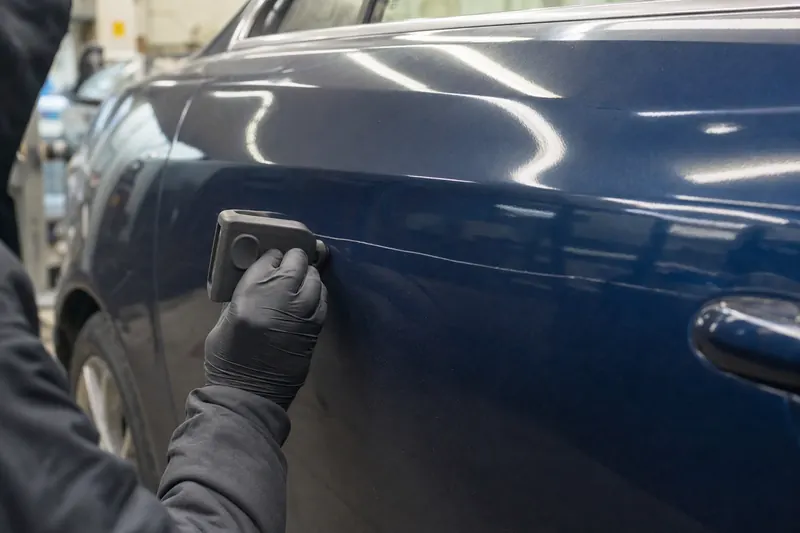
Most car scratches cost somewhere between £50 and £300 to put right at an independent body shop in London. Where yours lands depends on how deep the scratch goes, how many panels it crosses and what colour the car is. A light mark in the lacquer can often be machine polished out for under £100. A key scratch down to bare metal along two doors is a much bigger job and costs several times that.
Typical car scratch repair costs
Car scratch repair typically costs £50 to £100 for a light lacquer scratch, £100 to £250 for a SMART repair through to the colour and £150 to £300 or more for a scratch down to primer or bare metal on one panel. These are rough market ranges for independent body shops in and around London, a guide to the size of the job rather than fixed prices. They are in line with MoneyExpert's UK averages of about £90 for a professionally repaired minor scratch, £150 for a moderate one and £300 or more for a severe one.
| Type of scratch | Usual repair | Typical price |
|---|---|---|
| Light scratch in the clear lacquer | Machine polish and refine | £50 to £100 |
| Through to the colour, one panel | SMART repair: prep, colour match, lacquer and blend | £100 to £250 |
| Down to primer or bare metal, one panel | Fill, prime, paint and blend | £150 to £300 or more |
| Long scratch across two or more panels | Paint and blend each panel it touches | Roughly the single panel price for each panel |
The real figure depends on the damage on your car, which is why any body shop will want to see it before quoting. A few clear photos are usually enough for a first price.
How to tell how deep a scratch is
Depth decides the repair more than length does. Car paint is built up in layers: clear lacquer on top, the colour coat under it, then primer, then the steel, aluminium or plastic panel. Every layer the scratch reaches adds a step to the repair.
Start with the fingernail test. Wash the area, then draw a fingernail slowly across the scratch. If it glides over without catching, the mark is probably in the lacquer only. If your nail drops into a groove, the scratch has broken through the lacquer and will need paint.
Then look at the colour inside the groove in daylight. If it is the same colour as the car, the scratch may still be in the upper layers. White or light grey means primer is showing. Bright silver means bare metal, and an orange or brown tinge means rust has already started. On a bumper, black or dark grey plastic in the groove means the scratch has gone right through the paint.
Scratches you can sort out yourself
You can usually fix a scratch at home if your fingernail does not catch on it. A fine cutting compound on a microfibre pad, worked in small sections on a clean, cool panel out of direct sun, will level a light lacquer scratch. Stop as soon as the mark fades. Each pass removes a little lacquer, and there is not much to spare.
Some of the popular home fixes are less useful than they look:
- T-Cut and similar products are mild cutting compounds. They work on light lacquer marks, but overdoing it thins the lacquer.
- Toothpaste is a very weak abrasive. It can soften the faintest scuff and does nothing for a scratch you can feel.
- WD-40 and polishes with fillers hide a scratch by filling it. The mark comes back after a wash or two.
- Touch-up pens suit small stone chips. On a long scratch they leave a raised, uneven line that has to be sanded off before a proper repair.
If the scratch has reached the colour, no polish will bring the colour back. Missing paint has to be replaced with paint.
What pushes the price up
The number of panels a scratch touches matters more than its length. A body shop blends the new paint into the surrounding area so there is no visible edge, and a scratch that runs from a door onto a wing means blending both panels. A 15cm scratch in the middle of a door can cost less than a 5cm one that sits right on the gap between two panels.
Other things that add time and cost:
- Metallic and pearl colours, which look different depending on how the paint is laid down. They take more care to match and usually need a wider blend.
- A dent under the scratch, which has to be pulled out or filled before any paint goes on.
- A scratch along a sharp crease or panel edge, where there is no flat area for the blend to fade into.
- Rust that has already started, which must be taken back to clean metal first.
Most single panel scratches suit a localised repair rather than a full panel respray. Our guide to SMART repair versus a full respray explains how a body shop chooses between the two, and scuffed plastic bumpers are covered in bumper scuff and dent repair.
Why a scratch costs more the longer you leave it
A scratch that reaches bare steel will start to rust once water and road salt get into it. The rust creeps under the paint on both sides of the scratch, so by the time you see bubbling the damaged area is wider than the original mark. A small paint job then becomes cutting back corrosion, which takes longer and costs more.
Plastic bumpers do not rust, but an open scratch lets dirt and water work under the edge of the paint until it starts to lift. If the car is leased, check the return condition guide. The BVRLA fair wear and tear standard used by many lease companies only accepts surface scratches of 25mm or less where primer or bare metal is not showing, so deeper marks are likely to be charged for at the end of the contract.
Key scratches and insurance
A deliberate key scratch is often the most expensive kind, because it tends to run along several panels and cut down to primer. Vandalism is usually covered on a fully comp policy, but you will pay the excess and a claim can affect your no claims discount. Your insurer may also ask for a crime reference number, so report it to the police first.
Get a repair quote before you decide. If the repair costs little more than your excess, paying for it yourself is often cheaper over the next few years. Our guide on whether to claim on insurance for car damage walks through the sums. If you do claim, Precise Panels is an insurance approved repairer and can handle the claim with your insurer from start to finish.
How to get a quote from photos
Precise Panels in Barking can price most scratches from photos, without you taking the car anywhere. Take three photos in daylight: one of the whole side of the car so the panels are clear, one from about a metre away, and one close up at a low angle so the depth of the scratch shows. Add the make, model and colour if you know them.
Send them on WhatsApp on 07305 727574 or through the quote form, and you will get a price for what the scratch needs, whether that is a polish, a SMART repair or a panel respray. Minor repairs can often be finished within a day, and collection and delivery is free if you cannot bring the car to the workshop. The full list of bodywork and paint repairs is in our services.
Frequently asked questions
Independent body shops in London typically charge about £50 to £100 to polish out a light lacquer scratch, and about £100 to £300 to repaint a scratch that has reached the colour or primer on one panel. Scratches across several panels cost more because each panel is painted and blended. The exact price depends on the damage, so send photos for a quote.
No. Polishing removes a thin layer of lacquer, so it only works on scratches that sit in the lacquer. If your fingernail catches in the scratch, or you can see primer or bare metal, the paint is missing and has to be replaced with new paint.
It should. The paint is mixed to your car's colour code and blended into the surrounding paint so there is no hard edge. Metallic and pearl colours take more care and usually a wider blend, which is one reason they cost a little more.
A minor scratch or scuff on one panel can often be repaired within a day. Scratches across several panels, or ones with dents or rust underneath, take longer, and you get a timescale once the damage has been assessed.
Sources
This guide is general information from Precise Panels, a car body repair centre in Barking, East London. It is not legal or financial advice.
-
 Bodywork and paint
SMART repair or respray: which does your car need?
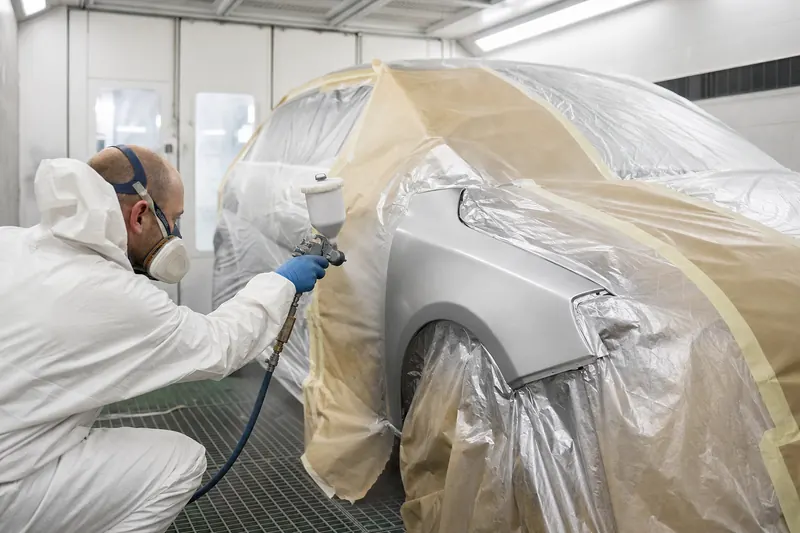
SMART repair fixes only the damaged patch and blends it in. A respray refinishes a whole panel or the whole car. The size, depth and spread of the damage decide which you need. -
 Bodywork and paint
Bumper scuff and dent repair: repair, replace or PDR?
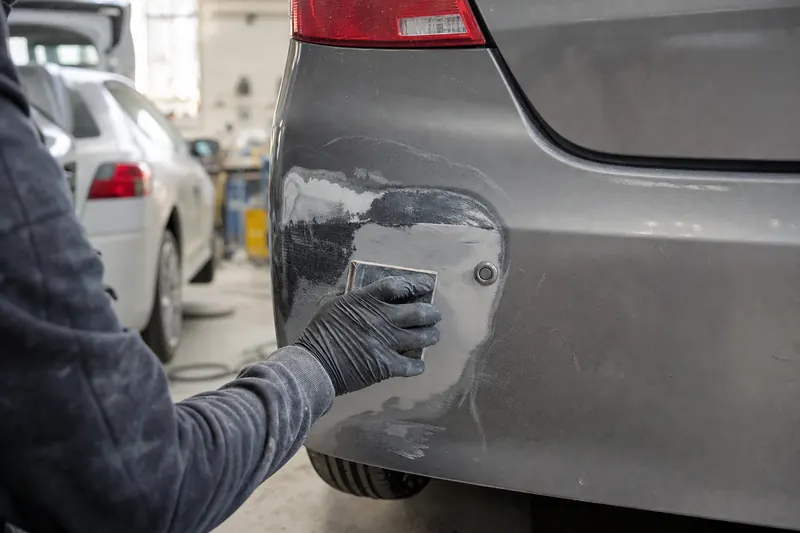
Most bumper scuffs, many cracks and a lot of dents can be repaired for a fraction of the cost of a new bumper. Here is how each repair works and when replacement is the better call. -
 Bodywork and paint
Alloy wheel refurbishment: costs, diamond cut and when to replace
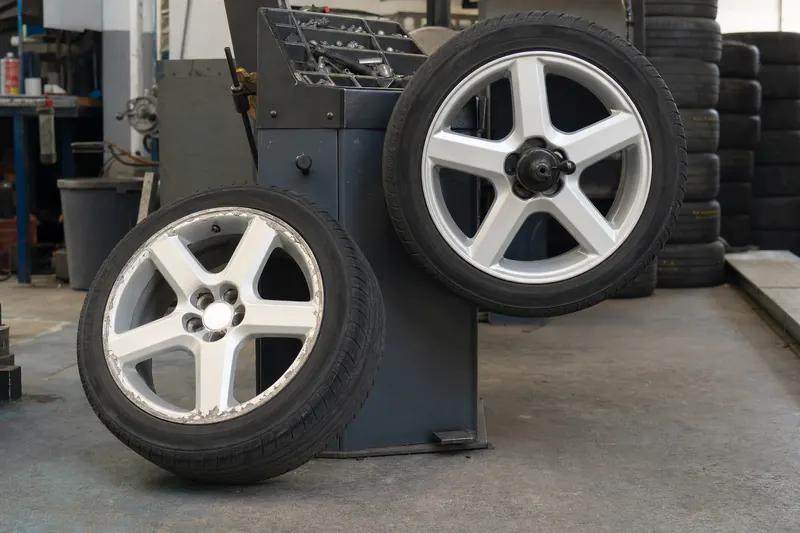
Kerbed alloys can usually be refurbished for far less than new wheels. How much depends on the finish, the damage and whether you do the whole set. Here is how it works.