Alloy wheel refurbishment: costs, finishes and when a wheel is past saving
Kerbed alloys can usually be refurbished for far less than new wheels. How much depends on the finish, the damage and whether you do the whole set. Here is how it works.
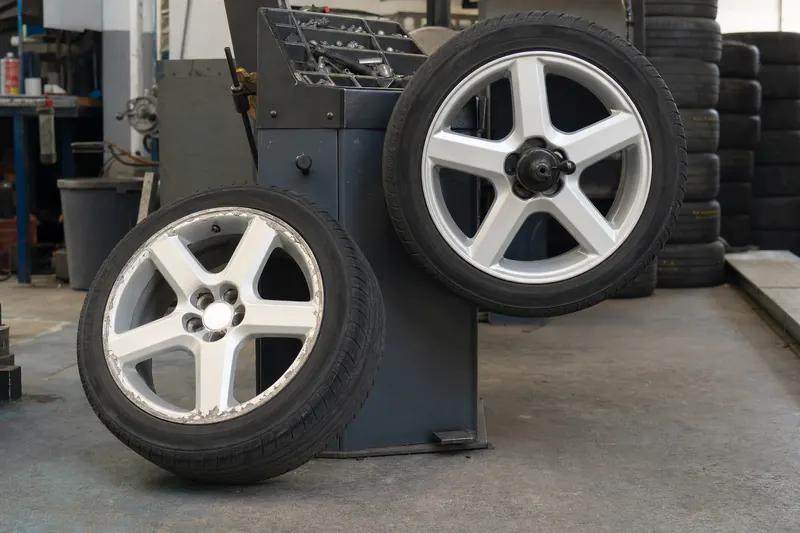
Alloy wheel repair and refurbishment for a kerbed wheel typically costs £60 to £100 per wheel in the UK for a standard painted or powder coated finish, and £90 to £150 for a diamond cut wheel. Doing all four at once usually brings the price per wheel down. Most kerb rash, scratches and lacquer peel can be fully repaired. The exception is structural damage: a cracked or badly buckled wheel needs checking for safety before anyone puts a new finish on it.
Typical alloy wheel repair and refurbishment prices
Alloy wheel repair typically costs £50 to £80 for a minor kerb scuff on one wheel and £60 to £100 for a full standard refurbishment, with diamond cut wheels costing more. These are typical UK market ranges. Larger wheels, colour changes and heavy corrosion sit at the top of each band.
| Job | Typical UK price |
|---|---|
| Minor kerb scuff repair, one wheel | £50 to £80 |
| Standard refurbishment, one wheel | £60 to £100 |
| Standard refurbishment, set of four | £200 to £400 |
| Diamond cut refurbishment, one wheel | £90 to £150 |
| Diamond cut refurbishment, set of four | £350 to £550 |
| Wheels 19 inches and larger | Add around £10 to £30 per wheel |
A set costs less per wheel because stripping, masking and spraying four wheels together takes less time per wheel than doing one on its own. The real price depends on what is found once the tyres are off, so start with photos and a quote.
Work out which finish your wheels have
You can tell the finish by looking at the face of the wheel in good light. A diamond cut wheel has a bright, almost mirror-like face with very fine circular lines, a little like the grooves on a record, and usually a darker painted colour in the recesses between the spokes. That bright face is bare machined aluminium sealed under clear lacquer.
A painted wheel is one even colour across the face with no machining lines. Powder coated wheels look similar but the finish is slightly thicker and very even, often in black, gunmetal or a solid colour. Some cars have different finishes on different trim levels, so check all four.
How a standard refurbishment works
Standard refurbishment takes the old finish off and builds a new one from scratch. The tyre is removed or carefully masked, the old paint and lacquer are stripped by chemical stripping or blasting, and any kerb damage on the rim is filled and sanded smooth. The wheel is then primed and painted, or powder coated and baked, and finished with lacquer before being refitted and balanced.
Because the whole face is colour, kerb damage can be filled and painted over without showing. That makes painted and powder coated wheels the cheaper and more forgiving type to repair, and they can be refurbished again in future without losing metal. Powder coating is tougher than wet paint, which helps on wheels that see a lot of London kerbs.
How diamond cut refurbishment works
A diamond cut wheel has two finishes: paint in the recesses and bare machined metal on the face. To refurbish it, the wheel is stripped, repaired and painted all over, then mounted on a CNC lathe that skims a very thin layer off the face to expose fresh, bright aluminium. Clear lacquer goes on last to seal the metal.
That lathe stage needs specialist equipment and time, which is why diamond cut costs more. It also has a limit. Every re-cut removes metal that does not come back, so a wheel can only be diamond cut a certain number of times before the face is too thin to machine safely or neatly. There is no fixed number, because it depends on the wheel design and how much was taken off each time. A careful refurbisher removes as little as possible.
White worm and lacquer peel
White worm is corrosion that spreads under the lacquer on a diamond cut wheel. When a kerb or stone chips the lacquer, water reaches the bare aluminium underneath. The metal corrodes under the clear coat and leaves milky, thread-like trails that branch out from the chip and lift more lacquer as they go.
You cannot polish white worm out, because it is under the lacquer. The proper fix is to strip the wheel, remove the corrosion and then re-cut or repaint the face. The same kind of under-paint corrosion can affect aluminium body panels, which is one reason aluminium car body repair needs careful preparation.
When a wheel cannot be saved
A wheel with cosmetic damage can almost always be refurbished. A wheel with structural damage may not be safe to use at all. Things to look for:
- Cracks, usually on the inner rim or where a spoke meets the rim. The MOT inspection manual lists any fracture on a wheel as a dangerous defect. Some cracks can be welded by a specialist, but many cannot be repaired safely.
- Buckles from potholes. A light buckle can sometimes be straightened, but a heavy one, especially near the bead where the tyre seals, usually means the wheel should be replaced.
- Corrosion that has eaten into the rim rather than sitting on the surface. This can stop the tyre sealing and cause slow punctures.
A good refurbisher checks every wheel for these before quoting, and will tell you if a wheel is not worth refinishing.
Kerbed a wheel hard? Check the tyre and alignment too
A hard kerb strike can damage more than the finish. Check the tyre sidewall for bulges or cuts, because a bulge means the tyre's internal structure is damaged and the tyre needs replacing. The knock can also push the wheel alignment out. If the steering wheel is no longer straight when you drive in a straight line, the car pulls to one side, or a tyre starts wearing on one edge, read our guide to the signs your car needs wheel alignment. Precise Panels does wheel alignment as well as refurbishment, so both can be sorted in one visit.
Diamond cut or painted next time?
For looks, diamond cut is hard to beat. For living with day to day, a painted or powder coated finish usually wins. Diamond cut has bare metal under the lacquer, so it is more prone to corrosion and every repair costs metal. If your wheels have been re-cut several times, keep getting white worm, or you simply want lower running costs, switching to a painted or powder coated finish is a sensible move. You can change colour at the same time, for example to gloss black or gunmetal. Going back to diamond cut later is not easy, so decide with that in mind.
The same logic of matching the repair to the damage applies to bodywork. Our guide to SMART repair versus a full respray covers it for panels.
Get your wheels quoted
Precise Panels refurbishes alloy wheels at its Barking workshop and quotes from photos. Photograph each damaged wheel straight on and close up on the worst part of the rim, and say whether you want the original finish or a colour change. Send the photos on WhatsApp or through the quote form, and you will hear which finish your wheels have, whether each one is safe to refurbish, and what it will cost. Collection and delivery is free. Alloy wheel refurbishment is one of our bodywork and paint services.
Frequently asked questions
A standard painted or powder coated wheel typically costs £60 to £100 to refurbish, or £200 to £400 for a set of four. Diamond cut wheels typically cost £90 to £150 each, or £350 to £550 for a set, because the face is re-machined on a lathe. Larger wheels and colour changes cost more.
Look at the face of the wheel in good light. Diamond cut wheels have a bright, mirror-like face with very fine circular machining lines, usually with darker paint in the recesses. A painted wheel is one even colour with no machining lines.
White worm is corrosion spreading under the clear lacquer of a diamond cut wheel. It starts where the lacquer has been chipped and shows as milky, branching lines. It cannot be polished out; the wheel has to be stripped and refinished.
Not as a normal refurbishment. A crack is a safety problem, and the MOT inspection manual treats any fracture on a wheel as a dangerous defect. Some cracks can be welded by a specialist, but many cannot be repaired safely and the wheel should be replaced.
Sources
This guide is general information from Precise Panels, a car body repair centre in Barking, East London. It is not legal or financial advice.
-
 Bodywork and paint
Aluminium car body repair: why it is different from steel
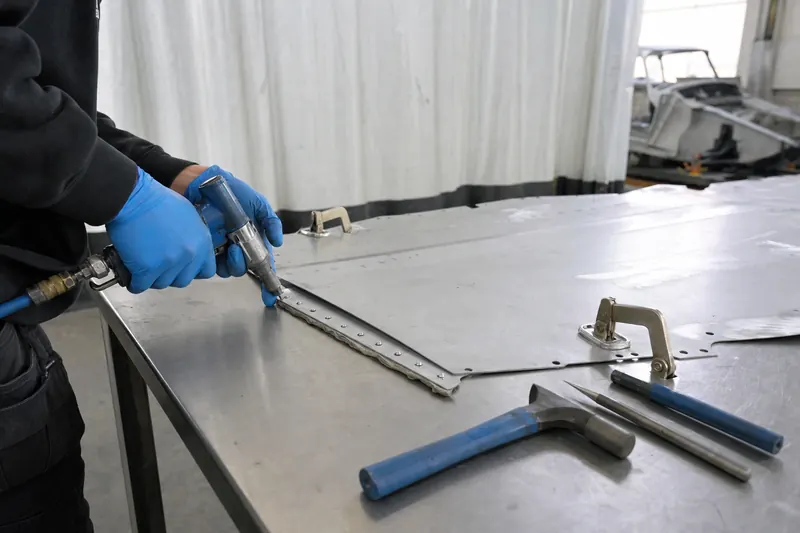
Aluminium panels can be repaired, but not the way steel is. It cracks if overworked, is damaged by too much heat and corrodes if steel dust gets on it. Here is what a proper repair involves. -
 Bodywork and paint
SMART repair or respray: which does your car need?
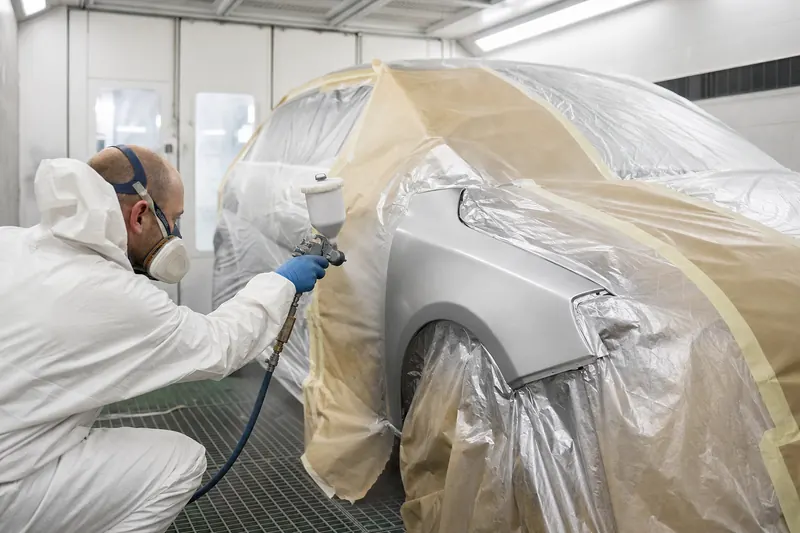
SMART repair fixes only the damaged patch and blends it in. A respray refinishes a whole panel or the whole car. The size, depth and spread of the damage decide which you need. -
 Bodywork and paint
Bumper scuff and dent repair: repair, replace or PDR?
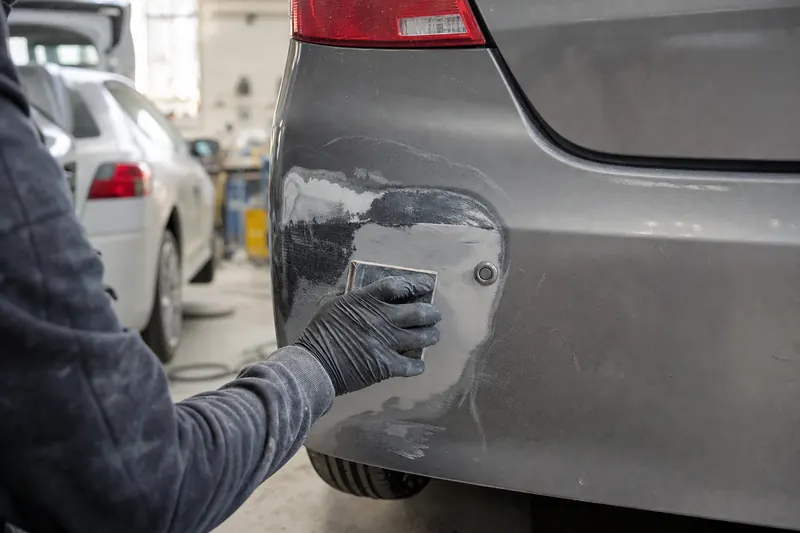
Most bumper scuffs, many cracks and a lot of dents can be repaired for a fraction of the cost of a new bumper. Here is how each repair works and when replacement is the better call.